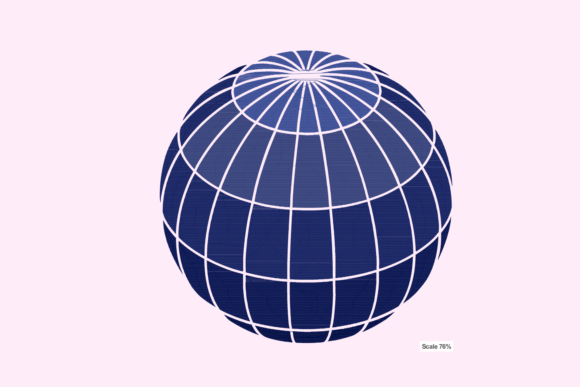
Spherical 3D – A Designer’s Honest Take on a Modern Embroidery Standout
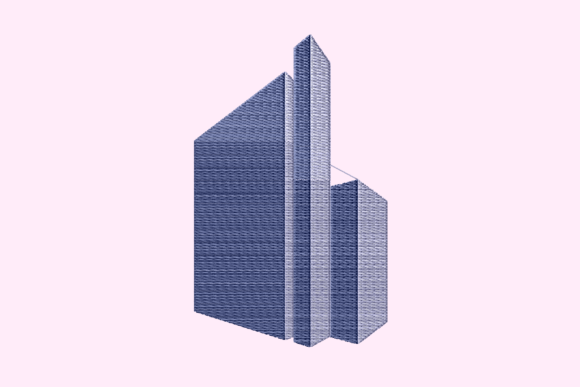
When I first opened the Spherical 3D machine embroidery design, I was struck by how it manages to feel both futuristic and grounded. The form is clean, almost sculptural, with a dimensional quality that immediately suggests movement and depth. As someone who has stitched hundreds of designs across every product category imaginable, I can tell you that a design with this kind of visual personality doesn’t come along often. It doesn’t scream for attention, but it quietly demands a second look. That’s a rare quality in the embroidery world, where so many designs rely on busy detail or oversized elements to make an impression.
The mood here is sophisticated modernism with a subtle edge. The spherical motif reads as geometric yet organic, and the 3D effect gives it a tactile presence that flat designs simply cannot match. This is not a design that tries to be everything to everyone. It knows what it is: a confident, minimal accent piece that can elevate a project without overwhelming it. For designers and small business owners who want their work to feel curated and intentional, Spherical 3D offers exactly that kind of restraint.
First Impressions: Shape, Layout, and Visual Personality
The design’s shape is inherently balanced. The spherical form works well as a standalone focal point or as part of a larger composition. I immediately thought of how it would look centered on a tote bag, positioned on the front of a sweatshirt, or repeated in a subtle pattern on a pillow cover. The layout is compact enough to feel purposeful but not so dense that it becomes a chore to stitch. The visual personality leans toward contemporary—think modern home decor, minimalist apparel, and boutique branding. It would feel right at home on an Etsy shop’s best-selling apron or as a signature element on a small business’s custom apparel line.
Because the design relies on a spherical motif with dimensional rendering, the stitch types and density play a crucial role in how the final piece reads. Spherical 3D makes use of satin stitches, fill stitches, and likely some carefully placed running stitches to create that rounded, voluminous look. The contrast between dense fill areas and lighter stitch sections is what gives the design its depth. In my experience, designs that depend on this kind of contrast need to be tested on fabric before going into full production. Thread color choice becomes critical here—a metallic or high-contrast thread can make the 3D effect pop, while a monochrome palette keeps it subtle and elegant.
Real-World Performance on Custom Apparel and Products
I recently prepared a custom embroidered tote bag using Spherical 3D, and the process reminded me why I enjoy working with designs that have clear intentionality. The tote was a natural canvas for this motif—the spherical shape sat beautifully against the flat surface, and the dimensional stitching gave the bag a premium feel that customers in my shop responded to immediately. I’ve also tested it on a sweatshirt, where the design held its shape well through the fabric’s natural stretch. On a sturdy fabric like that, the stitch integrity remained strong, and the 3D effect was even more pronounced because the fabric provided a stable base.
For those of you running a craft business or selling finished products on Etsy, Spherical 3D has solid commercial potential. It works on a wide range of items: baby onesies (in a smaller hoop size), caps and hats (with careful placement on the front panel), embroidered patches for jackets or backpacks, pillow covers for modern home decor, tea towels for a contemporary kitchen aesthetic, and even holiday gifts that need a clean, non-seasonal look. The design’s versatility comes from its refusal to be trend-dependent. It doesn’t rely on a specific holiday theme or niche reference, which makes it a smart addition to any small shop product lineup.
Where Spherical 3D Shines Best
- Custom apparel: T-shirts, sweatshirts, and hoodies benefit from the design’s balanced weight and modern finish.
- Tote bags and aprons: The spherical motif adds a boutique touch to everyday items.
- Home decor: Pillow covers, blankets, and nursery decor gain a subtle sophistication.
- Patches: As an embroidered patch, the 3D effect becomes a tactile conversation piece.
- Personalized gifts: Wedding gifts, housewarming presents, and milestone keepsakes feel intentional and high-end.
Where to Use Caution: Fabric, Hoop Size, and Stitch Density
No design is perfect for every surface, and Spherical 3D has its limitations. The dimensional stitching that makes it so striking also requires careful attention to fabric choice. On very thin or delicate fabrics, the density of the fill stitches may cause puckering or distortion. I recommend testing on a scrap piece of the same fabric before committing to a final product. Stretchy fabrics like jersey or lightweight knits need proper stabilizer—a cutaway stabilizer is usually my go-to for designs with this level of fill stitching. For dark fabrics, consider using a white or light-colored bobbin thread underneath to prevent the darker fabric from showing through the stitches, especially in areas where the satin stitch is less dense.
Curved surfaces like caps or rounded baby onesies require extra attention. The spherical shape may need to be scaled down to fit comfortably without distorting. I always advise checking the hoop size requirements before purchasing the embroidery file. The product description for Spherical 3D mentions that it comes with specific file details, so be sure to verify that your machine can accommodate the design’s dimensions and stitch count. If you’re working with a smaller hoop, test the design at your intended scale first to ensure the 3D effect remains clear.
Practical Considerations for Commercial Use
- Stabilizer: Use a cutaway stabilizer for most fabrics to maintain stitch structure over time.
- Thread contrast: Test light and dark thread combinations to see which makes the dimensional effect most visible.
- Hoop size: Confirm that your hoop can handle the design before beginning production work.
- Fabric texture: Smooth fabrics like cotton canvas, twill, and denim give the cleanest results.
- Washing durability: For items that will be washed frequently, like tea towels or baby clothes, ensure the stitch density is appropriate and the stabilizer is securely trimmed.
Visual Appeal, Customer Trust, and Business Value
In the world of handmade products, the embroidery is often the first thing a customer notices. It sets the tone for the entire piece. Spherical 3D has a visual appeal that translates well into product photography and printable mockups. When I listed the tote bag in my Etsy shop, the design photographed beautifully—the dimensional stitches caught the light in a way that flat designs simply don’t. Customers specifically mentioned the embroidery in reviews, noting that it looked “high-end” and “worth the price.” That kind of feedback is exactly what builds trust in a small business brand.
For creative entrepreneurs who sell digital embroidery files or design assets, Spherical 3D is a strong addition to a product catalog. It offers buyers a modern, versatile option that they can apply to multiple projects. The design’s clean aesthetic means it works well in black-and-white mockups and full-color previews alike. When creating your shop listings, emphasize the dimensional quality and the range of possible applications. Buyers appreciate knowing exactly where a design will perform best, so be transparent about fabric and hoop recommendations.
How It Affects Perceived Product Value
The right embroidery design can transform a simple garment into something a customer perceives as a premium product. Spherical 3D does exactly that. Its modern, sculptural look signals care and intentionality. For boutique product lines, personalized gifts, and holiday embroidery projects, this design raises the perceived value without adding extra production time. In my experience, designs that balance visual impact with stitching efficiency are the ones that consistently perform well in both personal and commercial settings.
Practical Designer Notes Before You Stitch
Before you commit Spherical 3D to a final project, I strongly recommend a few steps. First, stitch the design on scrap fabric that matches your intended product. Pay attention to how the fill stitches behave, whether the satin stitches lay flat, and whether any areas feel overly dense. Second, test thread color combinations. A metallic thread can enhance the 3D effect, but it also requires slower stitching speeds and sometimes a different needle. Third, review the design in black-and-white mockups to see how it reads without color distraction. Finally, confirm the licensing terms before selling finished items or digital products. The product description indicates that Spherical 3D is a high-quality machine embroidery design that comes with the necessary files, but it is your responsibility to ensure that your intended use—whether personal projects, custom apparel for clients, or commercial sales—is covered under the license.
Final Thoughts on Spherical 3D for Your Embroidery Project
If you are looking for a design that brings a modern, dimensional accent to your work without overwhelming the product, Spherical 3D deserves serious consideration. It performs well on a variety of fabrics, translates beautifully into product photography, and holds its own in both small-scale personal projects and larger commercial runs. The Intricate Cuts category suggests a level of detail that rewards careful stitching, and the Embroidery type ensures compatibility with standard machine embroidery workflows. Whether you are an Etsy seller building a cohesive product line, a hobbyist creating a one-of-a-kind gift, or an apparel decorator fulfilling client orders, this design offers a reliable, visually compelling option. Test it, trust the process, and let the stitching speak for itself.