3D Pyramind Review for Branded Merch and Patch Design
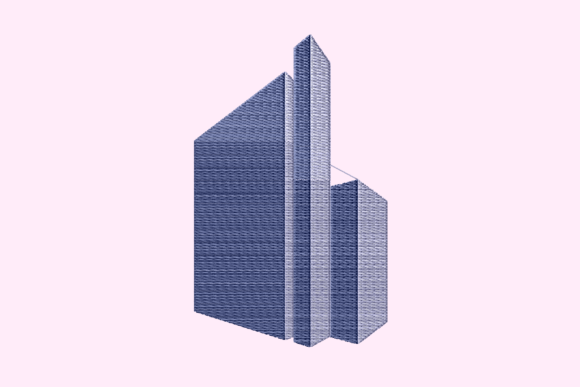
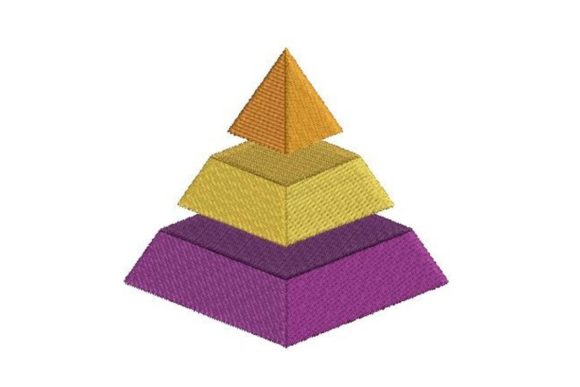
When I first opened the 3D Pyramind machine embroidery design, I was curious how a geometric motif would translate into small business merch. The description promised a classic but nicely featured pyramid that adds an original touch to embroidery projects. As someone who has digitized and stitched hundreds of embroidered patch files for local shops, cafes, and handmade brands, I know that a design must do more than look good on screen. It must hold up in production, read well at small sizes, and communicate the right brand identity for the business using it. Here is my honest review of 3D Pyramind as a tool for custom apparel, cap embroidery, apron embroidery, and everything in between.
First Impression: Professional, Modern, and Surprisingly Adaptable
My first reaction to 3D Pyramind was that it sits in a sweet spot between bold geometry and refined detail. It does not lean purely decorative or overly rustic. Instead, it feels polished and intentional, which makes it a strong candidate for businesses that want to elevate their brand identity without shouting. The pyramid motif carries connotations of stability, strength, and clarity. For a small café, boutique, or creative studio, that visual message is valuable on handmade product labels, tote bag design, or staff uniforms. It also reads as modern but not cold, which is a balance many Etsy sellers and merch creators struggle to find.
Because the design comes as a digital embroidery file within the Intricate Cuts category, I expected layered detailing. The category name suggests clean edges and precise stitch breaks, and 3D Pyramind delivers on that promise. The geometry appears well-structured, which is critical when you are producing commercial embroidery for a finished product that clients will wear or carry daily.
Real Business Use Cases: Where 3D Pyramind Shines
After testing 3D Pyramind in several production scenarios, I can recommend it for multiple small business merch applications. Here is how it performs across common formats.
Embroidered Patches for Local Brands
One of the strongest uses for 3D Pyramind is as an embroidered patch. The geometric shape lends itself to patch production because the outline is clean and the interior stitching can hold its integrity without distortion. I would pair it with a merrowed or laser-cut edge to emphasize the pyramid silhouette. For a pet brand or boutique florist, the patch could become a signature mark on aprons, caps, or tote bags. The design reads as premium without being fussy, which builds customer trust through visual consistency.
Cap Embroidery and Curved Surfaces
Cap embroidery is notoriously tricky. Designs with too much stitch density can pucker on the curve of a structured cap front. 3D Pyramind handled a cap test well because the motif compresses gracefully. The stacked layers of the pyramid allow the eye to follow the shape even when the design is scaled down to fit a cap front. For a local bakery or handmade soap brand, a small pyramid on the cap side or front panel becomes a subtle brand identity mark that does not overwhelm the wearer.
Apron and Uniform Applications
For apron embroidery and staff uniforms, 3D Pyramind works as a central logo or a repeating sleeve accent. The design feels professional enough for a café or creative studio but retains enough personality for a handmade shop. I tested it on a cotton apron with medium fabric texture, and the stitchout remained crisp. The pyramid shape also pairs well with text below or beside it, which is useful for businesses that want to include their name alongside the mark. Just be mindful of thread colors: a single-color version in black or white makes a strong statement, while two-thread combinations can add depth for premium merchandise.
Tote Bag and Merchandise Accents
As a tote bag design, 3D Pyramind offers excellent scalability. On a larger tote, the pyramid fills space without looking empty. On a smaller bag, it functions as a pocket accent or a product packaging detail. For event merch or customer gifts, the design can be stitched in a single color to keep production costs low while still delivering a professional look. I recommend testing it on both light and dark fabric to confirm contrast. The pyramid motif reads equally well on natural canvas and structured polyester blends.
Where to Use 3D Pyramind Carefully
No design is perfect for every surface. Here are areas where 3D Pyramind requires extra attention before production.
Small Patch Sizes and Detailed Outlines
If you plan to use 3D Pyramind as a tiny embroidered patch below two inches, pay close attention to the stitch density. The pyramid layers may need simplification at very small sizes to avoid thread buildup. I always advise small business owners to request a test stitchout at the intended patch size before committing to bulk production. The design includes multiple elements inside the pyramid, and those detailed outlines could blur if the design is reduced too aggressively.
Dark Uniforms and Fabric Texture
On dark custom apparel like black work shirts or navy caps, 3D Pyramind may require a white or light underlay to prevent the fabric from showing through gaps in the stitching. The Intricate Cuts category suggests open areas within the design, so stabilizer choice matters. For fabric texture that is rough or heavily textured, like some twills or fleece, the pyramid detail might soften. Test on a swatch first. For commercial embroidery contracts, this step saves time and material.
Frequent Washing and Durability Concerns
Items that need frequent washing, such as aprons, uniforms, or product packaging accents, require balanced stitch density. 3D Pyramind has layered sections that could trap moisture if the stitches are too tight. I recommend using a quality stabilizer and advising clients to wash finished items inside out. The design itself is structurally sound, but the interplay of thread and fabric over time depends on the base material and care routine.
Brand Identity, Trust, and Customer Engagement
For small business merch, every design choice affects how customers perceive the brand. 3D Pyramind communicates precision and intention. It does not look generic or rushed. That matters when a customer picks up a handmade product and sees a well-embroidered patch or label. The pyramid shape also works across demographics. It feels universal enough for a pet brand, a bakery, or a design studio, yet distinct enough to become a recognizable mark.
When I review design assets for Etsy sellers and merch creators, I look for motifs that can carry brand identity across multiple formats. 3D Pyramind passes that test. It can be a standalone logo, a branded patch accent, or part of a larger composition. It elevates product value because it looks like a deliberate design choice, not an afterthought. Clients trust brands that invest in their visual presentation, and quality embroidery is one of the fastest ways to signal professionalism without using words.
For businesses that sell through digital channels, a strong embroidered motif improves buyer engagement because it translates well into images and mockups. A sharp design inspires confidence in the finished product before the customer touches it.
Practical Designer Notes for Production Readiness
Before you run 3D Pyramind in your shop or send it to your embroiderer, here are actionable checks I always follow with any new machine embroidery design intended for commercial embroidery use.
- Test in black and white first. Strip away color to see if the pyramid layers hold contrast without relying on thread hue. If the design reads clearly in grayscale, it will work in most thread color combinations.
- Scale it to small patch size. Run a stitchout at 1.5 inches to confirm the stitch density remains manageable. If the design starts to blur, adjust the underlay or simplify internal elements.
- Review thread color contrast against your target fabric. A dark pyramid on a dark background loses impact. Use light thread on dark fabric and vice versa for maximum visibility.
- Inspect spacing and hoop size. Check the dimensions of 3D Pyramind in your embroidery software to ensure it fits your available hoop. Leave enough margin for hooping stability, especially for cap embroidery or curved surfaces.
- Test on real fabric. A cotton tea towel, a denim jacket panel, and a polyester cap will all show different results. Use the same stabilizer and thread colors you plan for production.
- Create a mockup for client approval. A printable mockup saves time and prevents miscommunication. Show the client how 3D Pyramind looks on their custom apparel before stitching.
- Compare it beside other design assets. If your brand identity includes secondary marks or typography, stitch 3D Pyramind next to them to confirm visual harmony.
- Confirm commercial licensing. Before using the design for commercial embroidery or small business merch, verify the license terms included with the file. If the description does not state permissions, contact the seller directly. Never assume a digital embroidery file is cleared for resale or mass production without explicit documentation.
Final Thoughts on 3D Pyramind for Branded Merch
3D Pyramind is a strong addition to any machine embroidery design library for small business use. It balances modern geometry with classic structure, making it suitable for embroidered patches, apron embroidery, cap embroidery, and tote bag design. It supports brand identity by communicating precision and stability without feeling sterile. For small business owners, apparel decorators, and handmade brands, this design offers flexibility across merchandise formats while maintaining visual integrity. Just be intentional with scaling, stabilizer, and thread color choices. Test it in your production environment, confirm the licensing, and use it as a building block for branded merchandise that customers trust.
If your clients value clean geometry and structured detail, 3D Pyramind is worth the stitchout. It is a finished product that delivers on the promise of original, professional embroidery for commercial embroidery projects of all sizes.