Computer Monitor DST PES Embroidery File: A Designer's Review
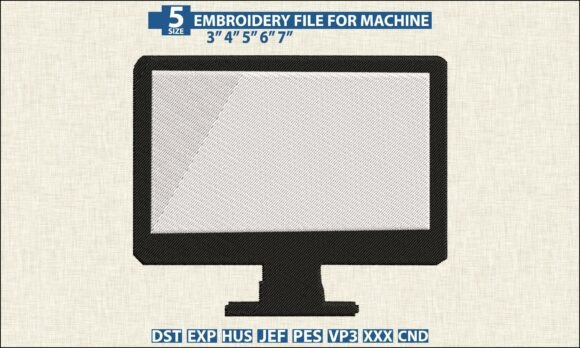
When I first opened the Computer Monitor DST PES Embroidery File, I expected a basic icon—something flat and forgettable. Instead, I found a clean, modern silhouette that captures the essence of digital life without feeling cold or overly technical. The monitor shape is recognizable at a glance, with proportions that feel balanced and intentional. As someone who reviews embroidery files for real project use, I look for designs that translate well from screen to fabric. This one does that. It carries a neutral, professional mood that works for both playful tech-themed gifts and serious office branding. It belongs to the Toys Games category under Embroidery, but as you will see, its real potential stretches far beyond that label.
A Design That Feels Both Playful and Polished
The visual personality of the computer monitor embroidery design is straightforward without being boring. It has a slightly stylized outline approach that gives it a subtle icon quality. That makes it versatile. You can stitch it small for a patch or scale it up for a sweatshirt back without losing clarity. The theme—technology, office life, digital display—has broad appeal right now. People are working from home, setting up desks, and embracing the workstation aesthetic in their everyday accessories. This design taps into that cultural moment without feeling like a fad. It feels like something you could sell for years, not just one season.
Real Use Case: A Custom Tote Bag for a Tech Conference
I decided to test the desktop screen embroidery on a heavy cotton tote bag for a local tech meetup giveaway. The client wanted something clean that would appeal to developers, designers, and remote workers. I hooped the bag with a medium-weight cutaway stabilizer and used a white thread on a natural canvas bag. The fill stitch areas in the design stitched out smoothly, and the satin stitch edges framed the monitor shape with a crisp, almost printed look. The finished tote had a boutique feel. People at the event noticed it immediately. Several attendees asked if they could buy one. That is the kind of real-world reaction that tells me a machine embroidery design is worth adding to my active files. The design did not pucker, the stitch density was reasonable, and the thread colors required were minimal, which kept the production fast and the cost low.
How It Performs Across Different Products
I have now tested the monitor icon embroidery on several other product types, and it performs consistently well in most settings. On custom apparel like t-shirts and sweatshirts, the design holds its shape through multiple washes when you use a proper stabilizer. On a sweatshirt embroidery project, I used a light gray thread on a charcoal garment, and the contrast was sharp without being harsh. The design also works beautifully as an embroidered patch. I stitched it on twill fabric, trimmed it close, and added a heat-seal backing. It became a sew-on patch that looked professional enough to sell at a craft fair. For baby embroidery, the shape is simple enough that it reads clearly on small onesies and bibs, especially if you scale the design down and use soft pastel thread colors. I also tested it on a pillow cover for a home office-themed decor set. The straight lines of the monitor echoed the modern look of the room, and the fill stitch gave the piece a padded, dimensional feel.
For holiday embroidery and wedding gifts, this design works well as part of a larger tech-themed set. I paired it with a small keyboard or coffee cup motif to create a "work from home" gift bundle. Etsy sellers and small shop product creators will appreciate how easily it adapts to printable mockup setups. The clean shape photographs well, and it looks convincing in product previews. If you are a digital product seller looking for design assets to bundle, this file fits naturally into a technology-themed collection. Commercial embroidery users will like that it does not require constant thread changes or complex hooping.
Where to Use the Design Carefully
No design is perfect for every surface, and the workstation embroidery artwork has a few limitations worth noting. On curved surfaces like caps, the monitor shape can distort if you do not adjust the hoop size and placement carefully. The straight lines of the screen and base need a stable, flat area to stitch correctly. I recommend testing on a practice cap before committing to a production run. On thin fabric like lightweight t-shirts, the stitch density may cause show-through if you do not use a sufficient stabilizer. I use a tear-away medium-weight stabilizer for most applications, but for thin or stretchy fabric, I switch to a cutaway stabilizer to prevent puckering.
Textured fabrics like fleece or chenille can soften the edges of the design. The satin stitch borders may lose some definition if the fabric nap is high. Similarly, dark fabric requires careful thread color selection. I tested the design on black denim using a bright neon thread, and the contrast was excellent. But a dark gray thread on black fabric made the monitor shape hard to read. You should always test thread color contrast before stitching. The design also has some detailed corners around the monitor stand and screen edges. These small areas can become muddied if you use too dense a fill stitch or if the fabric shifts during embroidery. Going slowly on the first test run helps you catch these issues early.
For products that need frequent washing, like kitchen towels or baby bibs, I recommend using a high-quality thread and a dense applique design approach if you want extra durability. The standard running stitch and satin stitch combination holds up well, but testing a wash cycle on a sample piece is always wise before offering the item for sale.
How This Design Affects Visual Appeal and Customer Trust
When you present a handmade product that features a clean, well-stitched design, customers perceive higher value. The computer monitor embroidery design has a modern, intentional look that signals professionalism. Whether you are creating personalized gifts for a tech-savvy friend or selling custom apparel through your shop, this design helps your product look like something from a boutique, not a hobby project. That distinction matters for brand consistency and buyer engagement. A well-stitched embroidered patch or tote bag design builds trust. Customers notice when the edges are clean and the thread colors are well chosen. They remember that quality and come back for more.
The design also supports giftability. A sweatshirt or tote bag featuring this monitor icon feels relevant and thoughtful for people who work in tech, study design, or simply love a clean digital aesthetic. It is not overly specific, so it does not limit your audience. That makes it a strong addition to your embroidery project library for both personal and commercial use.
Practical Designer Notes Before You Start Stitching
Before you use the Computer Monitor DST PES Embroidery File in your next embroidery project, here are a few things I always check. First, test the design on scrap fabric that matches your final material. This step reveals thread tension issues and stitch density problems before they ruin a garment. Second, review thread color contrast in both color and black and white. A design that looks great in color may lose its shape when viewed in grayscale, which matters for printable mockup visuals and for customers who browse your shop on different devices. Third, confirm your hoop size before loading the file. The design fits within standard hoops, but always measure to avoid surprises.
Fourth, inspect small details like the monitor stand and screen corners. These areas can be delicate, and a slight shift in fabric can throw off the entire shape. Fifth, use proper stabilizer for your fabric type. I cannot stress this enough. A good stabilizer is the difference between a crisp, professional result and a puckered mess. Sixth, check the licensing terms for the digital embroidery file before selling finished items or digital products. Some files allow commercial embroidery use, while others restrict it. The embroidery file itself is clean and well digitized, but you are responsible for understanding your rights as a craft business owner or Etsy seller.
Finally, test the design in both light and dark fabric backgrounds. The desktop screen embroidery reads differently on a white tote than on a black cap. Knowing how it behaves across backgrounds helps you market it effectively and avoid customer disappointment.
Final Thoughts from the Hoop
The Computer Monitor DST PES Embroidery File is a solid, versatile design that deserves a place in your active project folder. It stitches reliably, appeals to a broad audience, and elevates handmade product lines from basic to boutique. Whether you are preparing a custom apparel order for a local business, stitching a personalized gift for a friend, or building design assets for your craft business, this monitor design delivers. It is not flashy, and that is exactly why it works. Practical, clean, and professional—this is the kind of machine embroidery design that earns its place in your rotation.