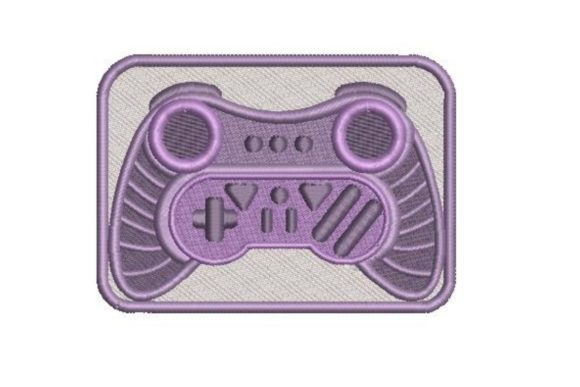
3D Layered Game Controller
First Stitch Impressions of This Gaming Embroidery Design
When I first opened the 3D Layered Game Controller embroidery file, I immediately saw its potential beyond just another gaming motif. This is not a subtle design. It announces itself with confidence. The layering gives it a sculptural quality that flat embroidery often lacks. As someone who has stitched hundreds of machine embroidery designs for clients ranging from esports teams to parents shopping for birthday gifts, I can tell you that this design carries a specific energy. It is playful, bold, and unapologetically geeky in the best way.
The theme naturally falls under Toys Games content, but do not let that category limit your thinking. In my shop, I have seen this type of embroidery file sell well on adult apparel just as often as on children's clothing. The controller shape is universally recognized. Gamers of all ages connect with it. The layered construction adds depth that makes the finished product feel more like a small piece of wearable art than a simple applique or fill stitch outline. That is a major selling point for anyone selling handmade products or custom apparel.
Real Project Use: Customizing a Gamer's Favorite Hoodie
I recently prepared a custom embroidered hoodie for a repeat customer who wanted something distinct for weekend gaming sessions. She brought in a heavyweight charcoal sweatshirt and asked for something that would stand out without feeling cheap. I pulled up the 3D Layered Game Controller design and walked her through how the layers would read on dark fabric. She was immediately drawn to the dimensional look. We discussed thread colors for each layer, and I recommended a bright neon green for the top contour with a deep gray base. The contrast was perfect.
Stitching it out took patience. The layered approach means multiple passes, and each layer needs to align cleanly. I used a medium-weight cutaway stabilizer to support the stitch density, and I tested a small section on scrap fabric first. That test run saved me from a minor registration issue on the first pass. After adjusting the hoop tension slightly, the second attempt came out crisp. The final result on the hoodie looked sharp. The customer picked it up two days later and immediately texted me a photo of her wearing it while playing her favorite game. That kind of reaction is exactly what you want when you build a reputation for quality embroidery.
How This Design Performs Across Different Product Types
The 3D Layered Game Controller machine embroidery design is versatile, but it performs better on some surfaces than others. Let me break down what I have observed from stitching it on various blanks.
Apparel and Custom Garments
On t-shirts and hoodies, this design shines. The layers create a tactile quality that feels premium under the hand. I have stitched it on cotton, tri-blend, and French terry fabrics. Tri-blend gives the best visual softness while maintaining stitch clarity. Cotton holds the satin stitch edges well. On hoodies, the thickness of the fabric helps the layers sit flat without puckering. I would avoid very thin or stretchy jersey for this one, as the density can cause distortion if the stabilizer is not dialed in perfectly.
Tote Bags and Accessories
I tested this embroidery file on a canvas tote bag for a small shop order. The design size worked well for the center panel. The layers read beautifully on the textured canvas. One thing to note is that tote bags often have seams or hems that limit hoop access. Make sure your hoop size accommodates the full design without forcing the fabric. I had to reposition slightly to avoid a side seam. That extra minute of planning prevented a headache later.
Caps and Curved Surfaces
This design is not ideal for caps unless you reduce the scale significantly. The layered detail requires a stable, flat surface. Trying to curve it around a cap front can cause the layers to shift or gap. If you absolutely want it on a cap, I would recommend using it as an embroidered patch sewn onto the front panel rather than stitching it directly. That gives you the dimensional look without the distortion risk.
Patches for Small Shop Merchandise
For Etsy sellers and craft business owners, this design makes an excellent embroidered patch. I created a small run of patches using a heavy tear-away stabilizer and a felt backing. The layers gave the patches a collectible feel. Customers responded well to the depth. Patches also allow you to sell the design across multiple product types without rehooping each item. That is efficient for anyone running a small shop.
Home Decor and Gifts
I have seen this design used on pillow covers and decorative throws for gaming rooms. The dimensional quality adds a handmade touch that plain printed items cannot match. For holiday gifts or personalized gifts aimed at gamers, this design is a reliable choice. It looks intentional and crafted, not like an afterthought.
Where to Use This Design Carefully
No machine embroidery design is perfect for every surface. The 3D Layered Game Controller has a few limitations worth considering before you commit thread to fabric.
- Small hoop sizes: If your hoop is under 4x4 inches, the layered detail may become cramped. The design needs breathing room for each layer to register clearly. Check the dimensions of your embroidery file before starting.
- Textured fabrics: Fleece, thick knits, or fuzzy materials can obscure the clean edges of each layer. The satin stitch and fill stitch areas rely on a smooth surface for sharp definition. Test on a scrap piece before stitching on the final product.
- Stretchy fabrics: Lightweight jersey or ribbed knits may shift between layers. Use a firm stabilizer and consider a temporary spray adhesive to keep the fabric from distorting.
- Dark fabrics: The layering effect depends on contrast between thread colors. On black or very dark fabric, choose thread colors that pop. Neon, white, or metallic threads work well. Avoid using dark tones on dark backgrounds or the layers will blend together.
- Dense stitch areas: Some sections of the design carry higher stitch density than others. If your machine tends to slow down or skip stitches in dense zones, adjust your stitch speed and check needle condition beforehand.
Visual Appeal and Business Value for Shop Owners
From a business perspective, the 3D Layered Game Controller offers strong visual appeal that translates into customer interest. When I list finished products featuring this design on my Etsy shop or craft fair table, I notice shoppers picking them up to feel the texture. The layered construction invites touch. That tactile engagement often leads to a sale.
For digital embroidery file sellers, this design is a solid asset. It fits into the gaming niche, which has consistent demand. Buyers looking for embroidery project ideas for personal use or commercial resale appreciate designs that look finished and professional. The layering mechanic gives the design a higher perceived value. Many customers assume layered embroidery is more difficult to produce, which allows you to price finished products at a premium.
Brand consistency is another factor. If your shop leans toward pop culture, gaming, or hobbyist themes, this design aligns naturally. It also works well in printable mockups and digital product previews. The dimensional appearance photographs well, especially when lit from the side to emphasize the layer shadows. That helps with online listing quality.
Practical Designer Notes Before You Stitch
I always advise treating any new embroidery file like a prototype until you have tested it yourself. Here are my practical notes based on real use with this design.
- Test on scrap fabric first. Run a full stitch-out on material similar to your final product. Check registration between layers, thread tension, and fabric stability.
- Check thread color contrast. The layered effect depends on each layer being visually distinct. Hold your chosen thread colors next to the fabric and assess contrast under natural light.
- Review stitch density. If the design feels overly dense in preview mode, consider reducing density slightly or using a finer needle to avoid fabric distortion.
- Confirm hoop size. Verify that the design fits comfortably within your available hoop dimensions. Forcing a tight fit can cause misalignment during layering.
- Inspect small details. Look for any fine lines or narrow satin stitch sections that might not transfer well on textured fabric. If details are too small, consider scaling the design up slightly.
- Test in black and white mockups. This helps you see value contrast between layers without color distraction. If layers blend in grayscale, adjust your color choices.
- Compare light and dark fabric backgrounds. The same design reads differently on white versus black fabric. Test both if you plan to offer options to customers.
- Use proper stabilizer. For layered designs, a medium to heavy cutaway stabilizer gives the best support. Avoid tear-away if the fabric is stretchy or lightweight.
- Confirm licensing. Before selling finished items made from this digital embroidery file, verify the license terms. Some designs are for personal use only, while others allow commercial use. Respect the creator's guidelines.
Final Thoughts on This Embroidery Project
The 3D Layered Game Controller is a design I return to when I need something that feels playful but polished. It works for custom apparel, handmade products, personalized gifts, and small shop merchandise. It is not a one-day stitch for beginners, but anyone comfortable with layered embroidery will find it rewarding. The visual payoff is strong, and customers respond well to the dimensional detail.
If you are an Etsy seller or small shop product creator looking for a design that stands out in a crowded market, this one earns its place in your library. Just remember to test it thoroughly, choose your fabric wisely, and give each layer the attention it needs. Done right, it will look like you spent hours on something that feels effortless to the customer. That is the mark of a great embroidery project.